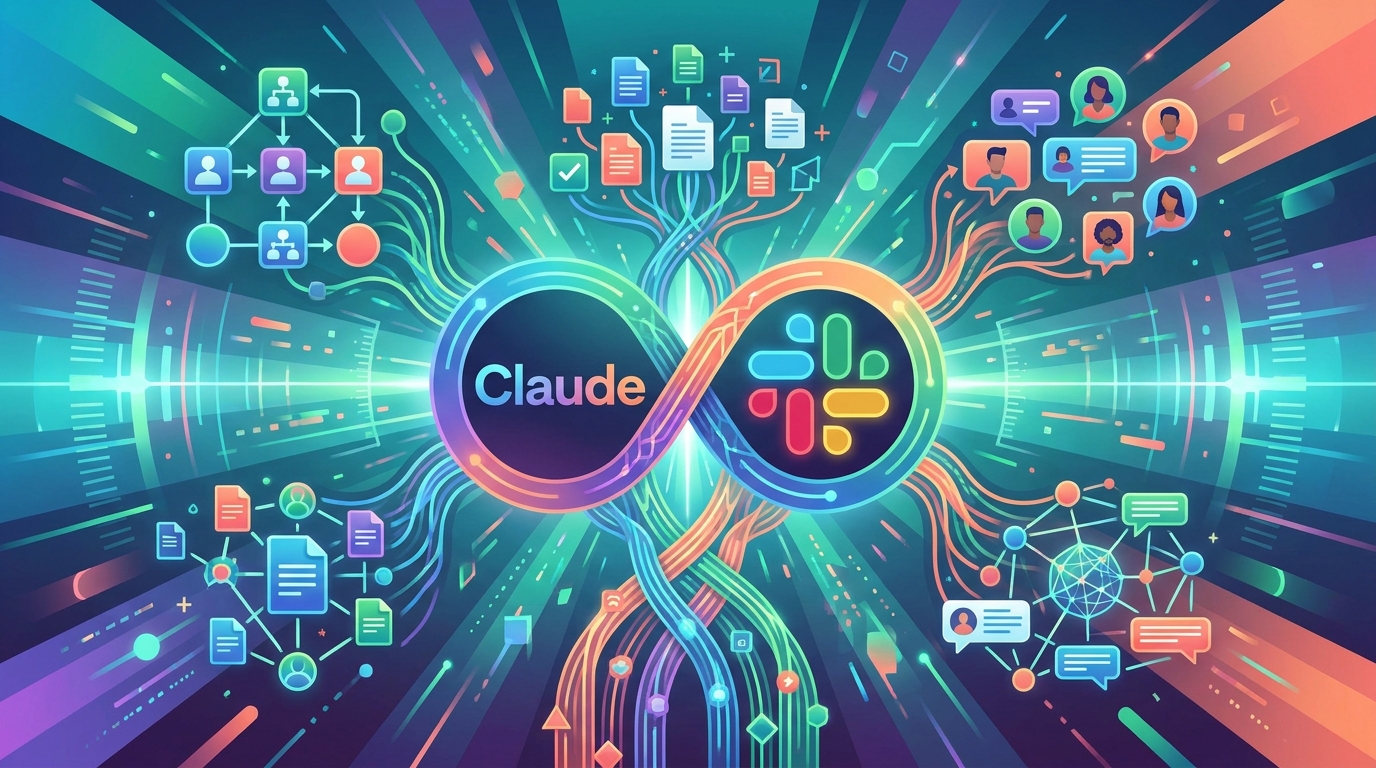

Anthropic just turned Slack from a graveyard of lost context into a live, searchable brain for your company. Claude Tag is a new always-on AI assistant embedded directly into your communication channels, designed to read, index, and understand your company's workflows based entirely on how your team actually talks. Instead of forcing employees to write documentation, this system observes the work happening in real time and serves it back as institutional knowledge.
Knowledge management tools usually fail for one simple reason. They require humans to stop working and write down what they just did. Nobody does this reliably. By placing an AI directly inside the platform where decisions are actually debated and finalized, Anthropic is bypassing the documentation step entirely. Your chat history is now your company wiki.
What is Claude Tag and how does it work in Slack?
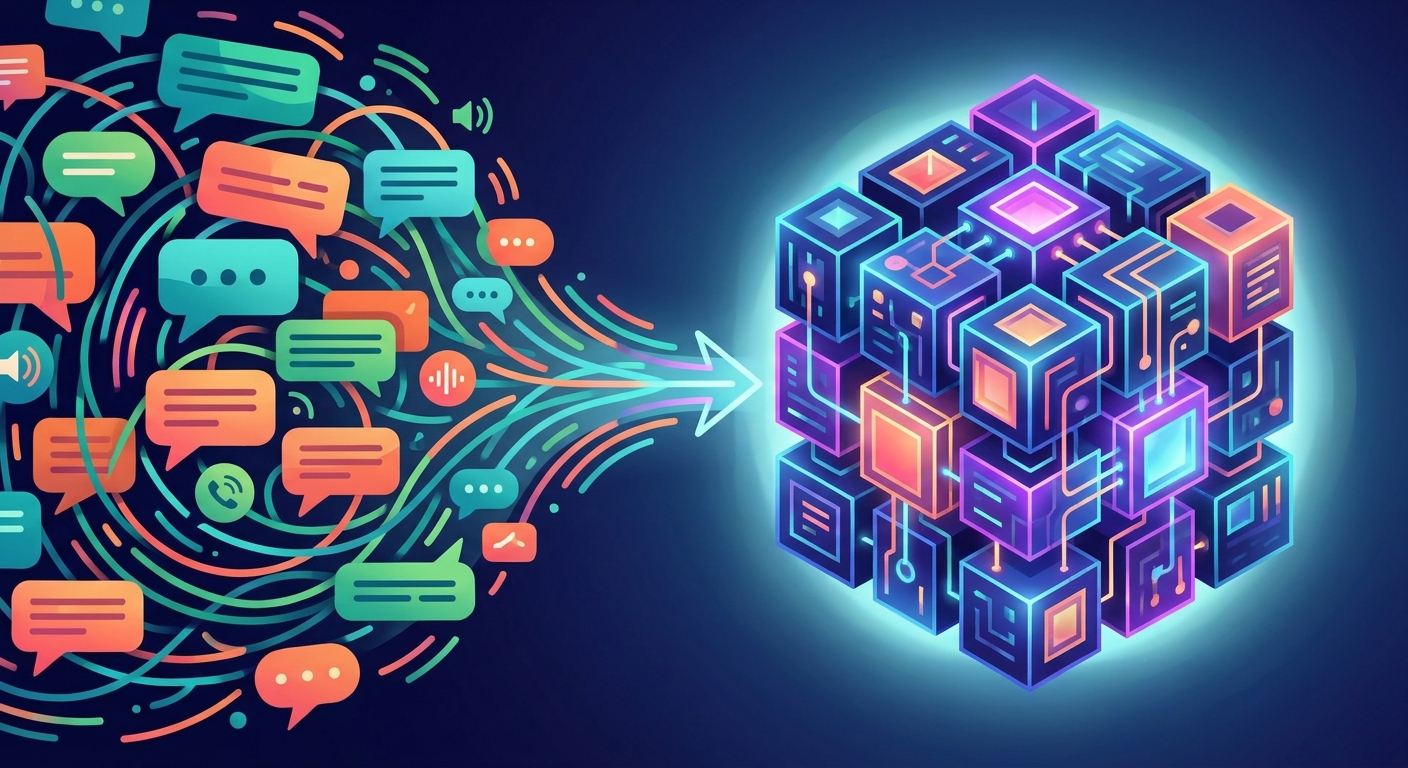
Claude Tag is an always-on AI assistant embedded directly into Slack that reads your company conversations in real time. It indexes decisions, project updates, and casual chatter to build a live, searchable graph of your institutional knowledge without requiring manual documentation.
When a new engineer joins a project, they typically spend weeks asking repetitive questions to understand why certain technical choices were made. With this integration, they can simply ask the assistant. The AI scans the historical channel data, identifies the specific thread where the architecture was debated, and provides a summarized answer complete with the original context.
This fundamentally changes how onboarding and project handoffs occur. You are no longer relying on a static Notion page that was last updated six months ago. You are relying on the actual, raw operational data of your business.
The shift from active documentation to passive observation
Traditional knowledge management fails because it relies on employees actively updating wikis. By living inside your communication platform, this tool passively observes work as it happens, ensuring the context it provides is always based on current reality rather than outdated documents.
Think about how a standard enterprise operates today. A critical decision about a product launch happens in a direct message or a private channel. That decision never makes it to the official project tracker. When marketing asks why the feature was delayed, engineering has to repeat the entire conversation.
Passive observation fixes this gap. The AI watches the decision happen. When marketing asks the question later, the AI can synthesize the answer immediately. This creates a massive operational advantage for companies that move fast and cannot afford the administrative overhead of constant status reporting.
How does the claude tokenizer handle messy chat data?
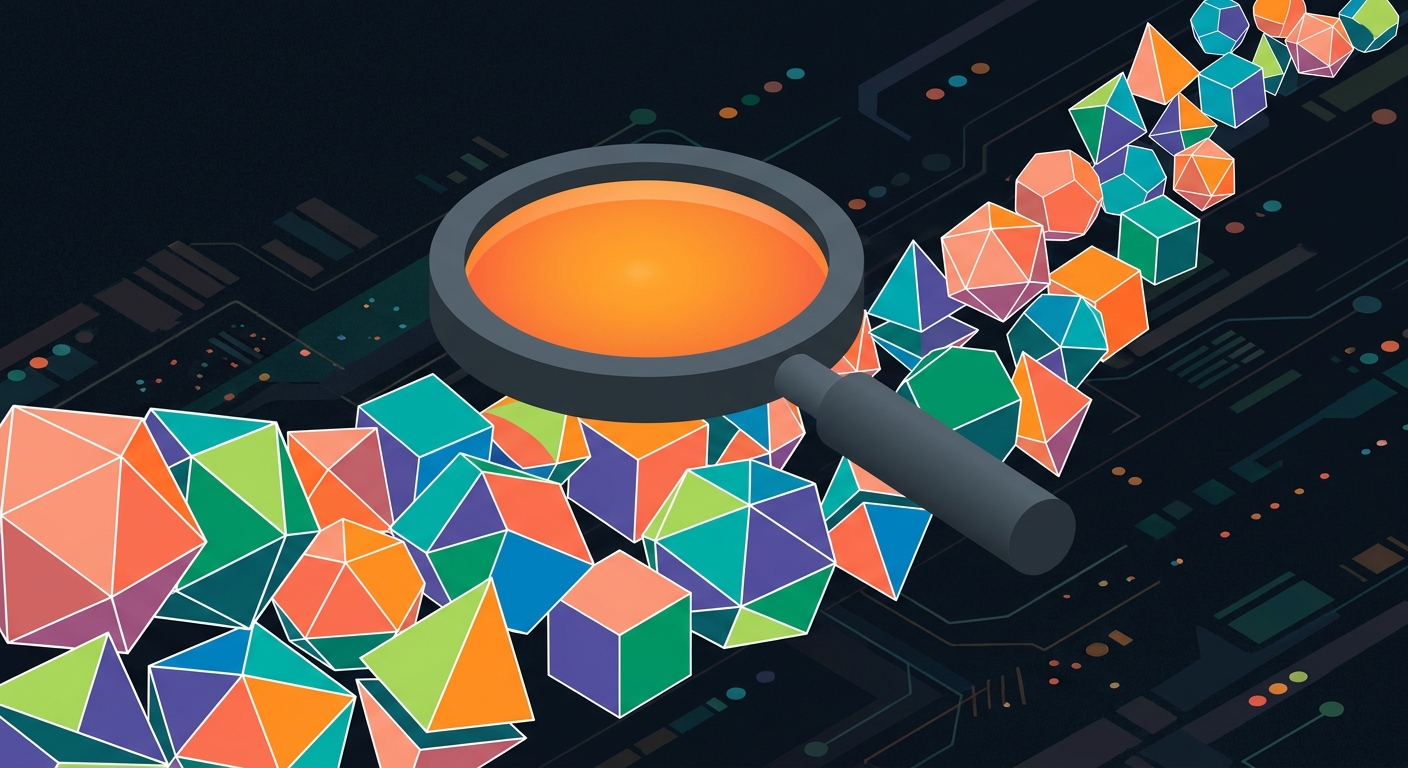
Slack threads are chaotic and unstructured. The system relies on the highly efficient claude tokenizer to break down sprawling, informal text into semantic chunks, allowing the model to map relationships between isolated messages and extract accurate answers from years of noisy data.
Processing conversational data is incredibly difficult. People use slang, emojis, broken sentences, and inside jokes. They switch topics mid-thread. To make sense of this chaos, the underlying architecture must be highly optimized. The claude tokenizer is specifically designed to handle large volumes of text efficiently, grouping relevant tokens so the model understands that a "LGTM" from the CTO on a Tuesday actually constitutes formal approval for a deployment.
Without this highly tuned parsing layer, the AI would drown in noise. The efficiency of the tokenizer dictates the size of the context window the model can effectively hold, which directly translates to how far back in your company's history the AI can accurately remember.
What this actually means for your engineering and product teams
Teams no longer need to interrupt each other to find out why a specific technical decision was made three months ago. The assistant can instantly summarize the exact Slack thread where the engineering tradeoff was debated, saving hours of context gathering.
For builders, this is a massive reduction in context switching. You do not have to leave your IDE, open a browser, search a wiki, and ping a product manager. The answers are surfaced where you are already working.
Comparing Traditional Wikis vs. Active AI Context
- Data Freshness: Traditional wikis are outdated the moment they are published. Active AI context is updated with every sent message.
- Creation Effort: Wikis require dedicated writing time from senior staff. AI context requires zero extra effort beyond normal communication.
- Searchability: Wikis rely on rigid keyword matching and folder structures. AI context uses semantic understanding to answer natural language questions.
- Accuracy: Wikis represent what people claim they do. AI context represents what people actually do.
The limits and security risks of conversational memory
AI that reads everything also surfaces everything. If your company lacks strict channel permissions, the assistant might expose sensitive HR or executive discussions to the broader team. It also risks treating sarcastic or incorrect casual remarks as factual company policy.
This is the primary danger of integrating AI so deeply into your communication stack. Most companies have terrible Slack hygiene. Private channels are often used for things that should be public, and public channels often contain data that should be restricted. If the AI indexes a channel where managers vent about performance reviews, and a junior employee asks the AI a related question, the results could be disastrous.
Before rolling out a tool like this, you must audit your data governance. The AI will only respect the permissions it is given. If your permissions are a mess, your AI outputs will be a liability.
We help teams implement these integrations safely while actually improving their shipping velocity. If you want to figure out how to deploy active context without creating a security nightmare, book a call.
Maurizio Cavalieri is the Founder & CEO of LevelThree Co, established in 2019, he has worked in the industry for over 13 years developing software.
LinkedInFrequently asked questions
Does Claude Tag read private Slack channels?
It only reads channels it is explicitly invited to or given permission to access. Workspace administrators must configure data boundaries to prevent the AI from indexing sensitive private conversations.
How does the claude tokenizer improve response accuracy?
It efficiently breaks down informal, unstructured chat data into semantic pieces. This allows the model to process larger amounts of historical context without losing track of important details hidden in long threads.
Will this replace our company wiki?
For fast-moving operational knowledge, yes. However, static policies, compliance documents, and formal HR guidelines will still require traditional, verified documentation.
Signals, not noise.
- Field notes from real client builds
- Pricing, process & AI takes, unfiltered
- No spam. Unsubscribe in one click.