
NVIDIA's investment in Verkada accelerates the push to run heavy physical AI workloads directly on edge devices rather than in the cloud. This is a definitive signal for enterprise IoT. Sending raw video feeds to centralized servers for real-time analysis breaks enterprise networks. Verkada is betting that putting NVIDIA silicon directly into cameras solves the bandwidth crisis. Builders need to pay attention. The architectural standard for physical security is shifting from dumb sensors to high-powered edge nodes.
What does the company Verkada do?
Verkada builds cloud-managed enterprise building security systems. They manufacture cameras, access control panels, air quality sensors, and alarms. Their core thesis relies on a hybrid architecture. The devices store data locally but are managed through a centralized web console. This eliminates the need for traditional on-premise network video recorders.
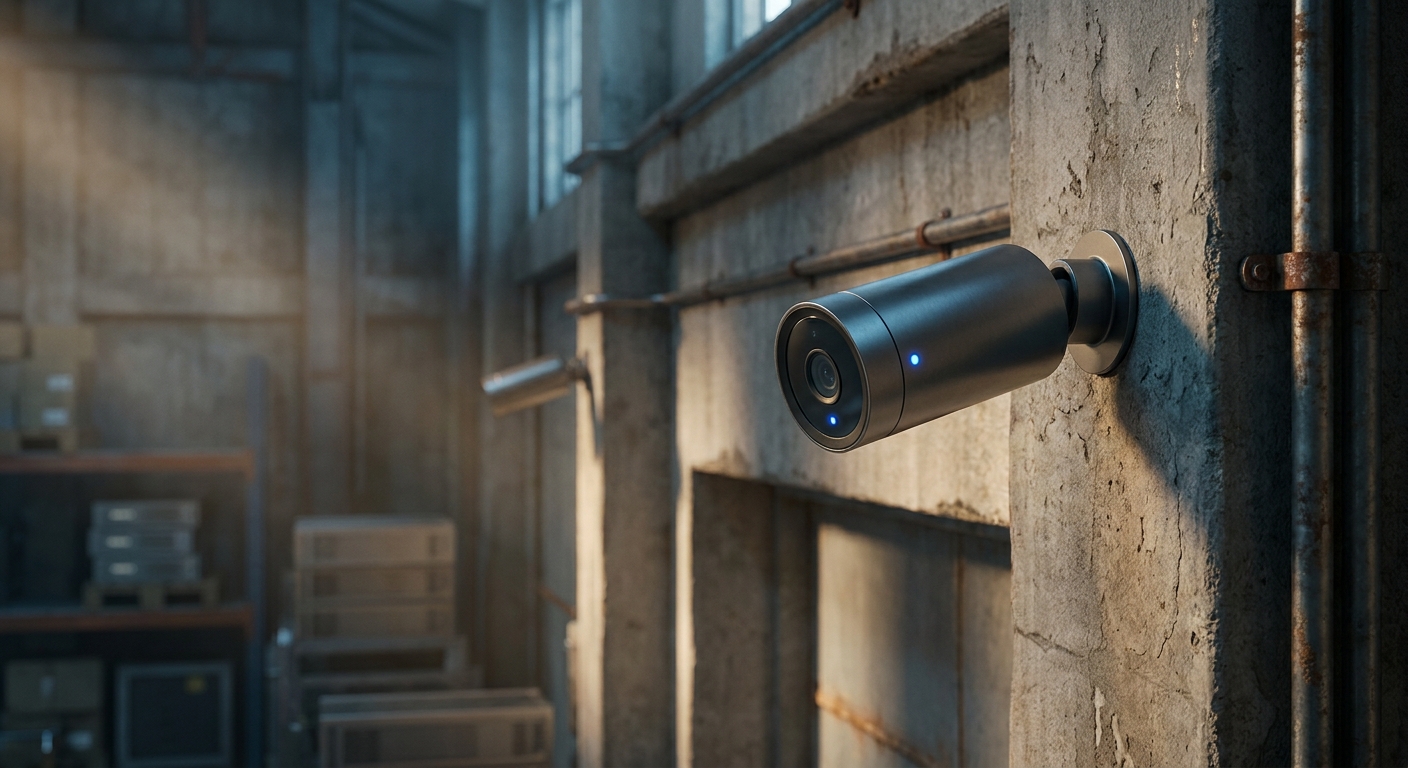
But as computer vision models get heavier, managing that data requires more than just local storage. It requires local inference. Processing video analytics locally reduces cloud dependency. When a camera can identify a specific person, track a vehicle, or detect a weapon on its own, it changes the entire network topology. You no longer need to stream gigabytes of raw footage to a server to figure out what is happening. The camera simply sends an alert.
The Evolution from NVRs to Hybrid Edge
Before cloud-managed systems, enterprises relied on Network Video Recorders. NVRs were essentially localized servers sitting in a closet. They were difficult to manage remotely and prone to hard drive failures. The industry then swung entirely to the cloud, promising easy remote access. But streaming high-definition video to the cloud proved too expensive and network-intensive.
The hybrid edge model emerged as the compromise. It keeps the storage local but moves the management to the cloud. Now, with NVIDIA's involvement, we are moving from local storage to local intelligence. The edge device is no longer just a hard drive. It is an inference engine.
The Edge Versus Cloud Tradeoff
Processing physical AI workloads forces a hard choice. You either pay for bandwidth or you pay for edge compute. Cloud inference offers centralized updates and infinite scalability. But it consumes massive amounts of bandwidth. A single high-definition camera streams roughly 15 to 25 megabytes per second. Multiply that by 500 cameras in a warehouse. The network chokes.
Edge inference flips the model. The camera processes the video frame by frame locally. It only sends metadata to the cloud. Bandwidth drops to kilobytes per second. But the camera now needs a dedicated AI accelerator. It gets hotter. It draws more power. It costs more to manufacture.
Here is how the architectural tradeoffs break down for enterprise deployments:
- Bandwidth Consumption: Edge processing wins outright. Cloud processing requires dedicated fiber links for large deployments. Edge processing allows hundreds of cameras to operate on standard broadband connections because they only transmit text-based metadata and occasional video clips.
- Latency and Response Time: Edge processing wins. Local processing detects a security threat in milliseconds. Cloud processing trips over network jitter and routing delays. When a system needs to lock a door instantly based on visual recognition, milliseconds matter.
- Model Updates and Management: Cloud processing wins. Swapping an AI model in a centralized server takes seconds. Updating firmware across 10,000 edge devices requires careful orchestration to avoid bricking hardware.
- Hardware Lifespan: Cloud processing wins. Dumb cameras last a decade because their job never changes. Edge AI cameras age like smartphones. As AI models grow more complex, the local silicon becomes obsolete faster.
- Data Privacy and Compliance: Edge processing wins. Keeping raw video footage on the local device minimizes the risk of interception. This simplifies compliance with strict data privacy regulations.
Why NVIDIA Cares About Physical AI
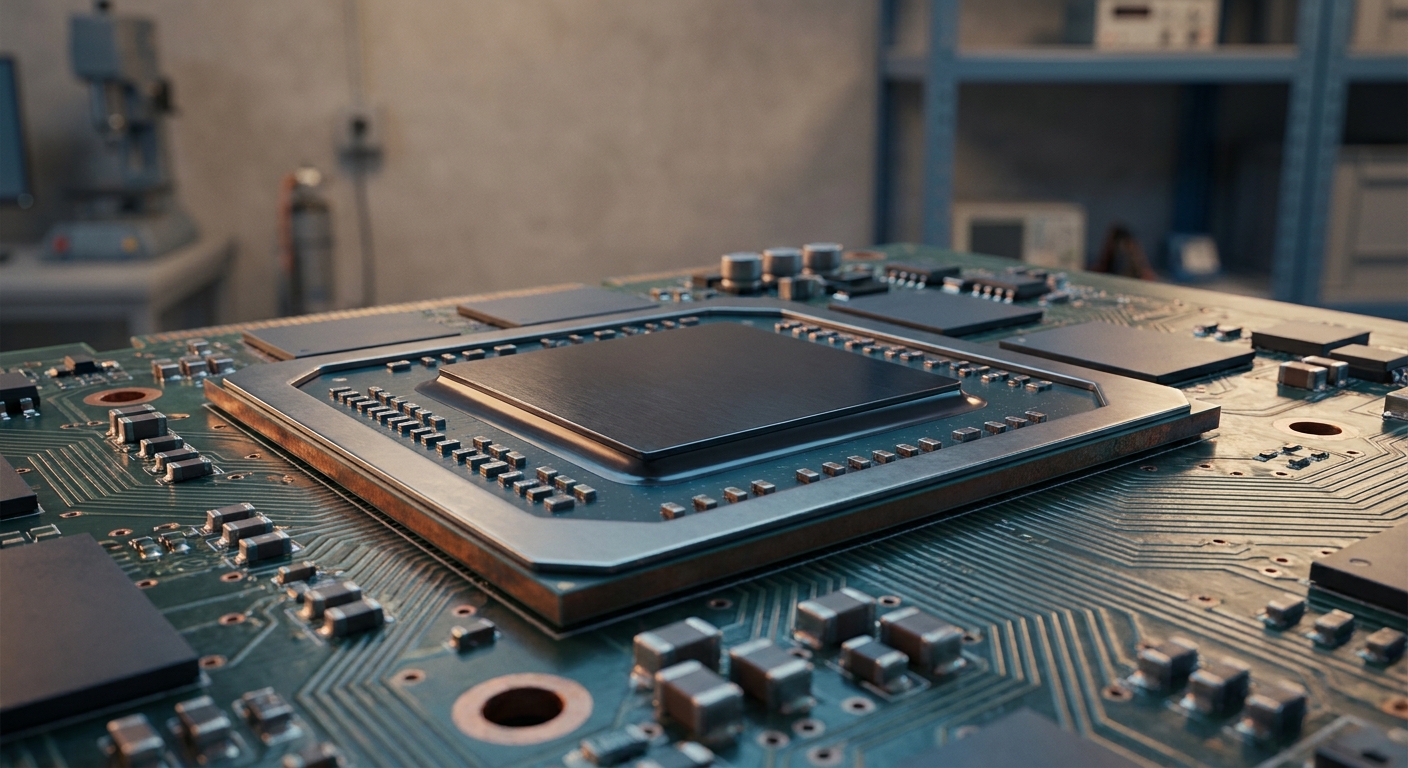
NVIDIA is not just selling chips to train large language models. They want their hardware in every physical space. Physical AI involves models that understand three-dimensional environments. These models track objects across multiple camera feeds and trigger physical actions. By backing Verkada, NVIDIA secures a massive distribution channel for its edge inference chips.
This validates the thesis that enterprise IoT is becoming a specialized compute market. General-purpose processors cannot handle real-time computer vision efficiently. You need specialized neural processing units and GPUs right at the sensor level. NVIDIA recognizes that the next massive wave of AI adoption happens in the physical world, not just in web browsers.
What This Means For Enterprise Builders
If you are building IoT hardware or deploying enterprise security, the playbook is changing. Stop relying entirely on cloud inference for high-bandwidth sensors. You must push the compute as close to the sensor as possible. Plan your network architecture around metadata.
Evaluate your hardware refresh cycles. An edge AI camera deployed today might struggle to run the computer vision models released three years from now. You need to account for faster hardware depreciation in your capital expenditure budgets. The days of installing a security camera and forgetting about it for ten years are over. You are now deploying networked computers that happen to have lenses.
Security operators must also rethink their power infrastructure. Power over Ethernet has limits. Most standard enterprise switches provide 15 to 30 watts per port. Heavy AI processing requires serious power. Upgrading to newer Power over Ethernet standards becomes mandatory when deploying advanced edge AI devices.
Privacy as an Architectural Driver
Data privacy and compliance represent another massive factor driving the push to the edge. Regulations regarding biometric data and facial recognition are tightening globally. Sending raw video feeds containing the faces of employees and customers to third-party cloud servers creates a massive liability footprint.
By processing the video at the edge, the raw biometric data never leaves the building. The camera simply reports that an authorized employee entered the facility. This architectural choice drastically reduces the compliance burden for enterprise security teams. It turns a potential privacy nightmare into a simple metadata transaction.
The Limits and Open Questions
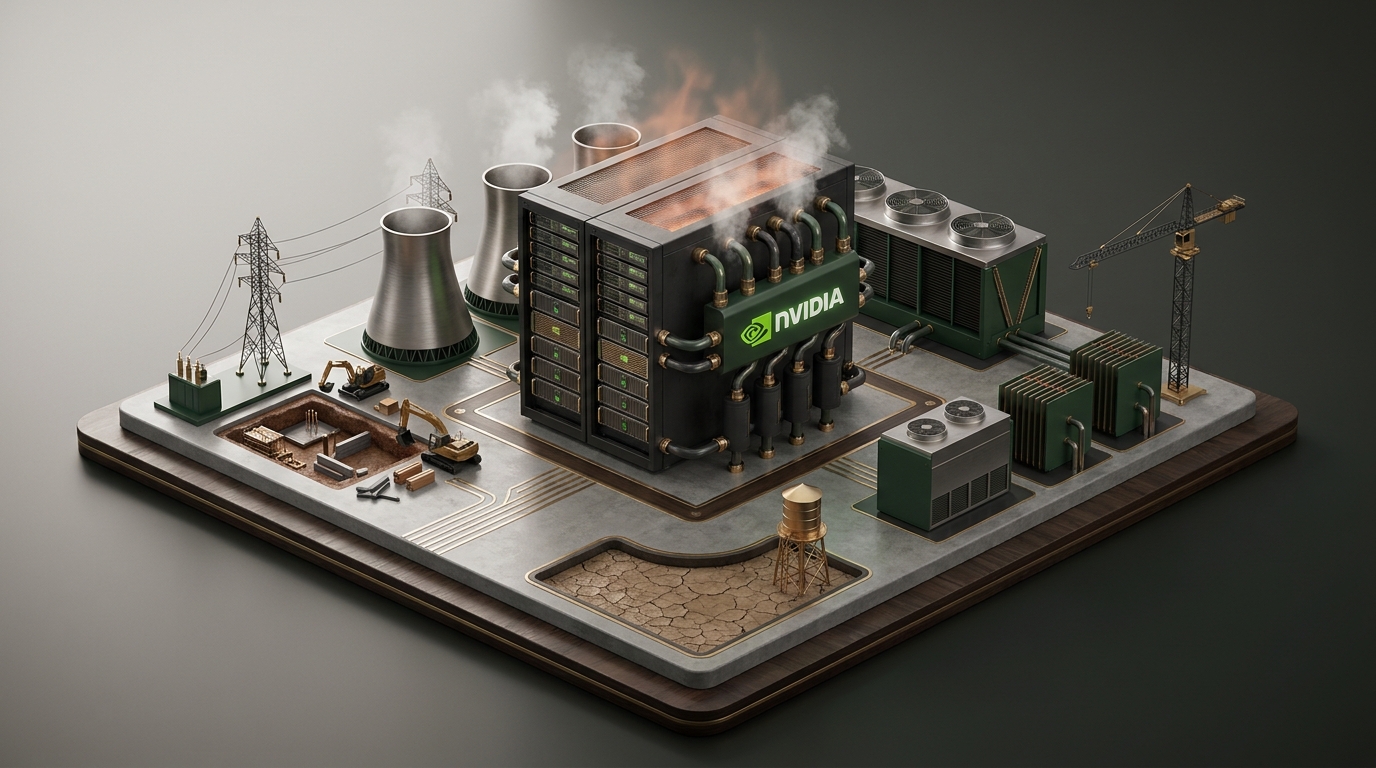
Managing thermals remains a significant engineering hurdle. A sealed outdoor camera enclosure running a heavy computer vision model in the summer heat is a physics problem. Silicon degrades faster when exposed to constant high temperatures. In a data center, NVIDIA GPUs are cooled by massive air conditioning units and liquid cooling systems. In a security camera mounted to the side of a warehouse in Arizona, that same silicon must survive ambient temperatures exceeding 110 degrees Fahrenheit.
The camera enclosure acts as an oven. Engineering a passive cooling system that can dissipate the heat generated by real-time object detection models without compromising the weather rating of the camera is incredibly difficult. Builders will have to make compromises between the complexity of the AI models they run and the thermal limits of their hardware. Processors throttle when they get too hot. If an AI chip throttles during a critical security event, the system fails.
There is also the question of vendor lock-in. When the AI model, the hardware, and the management software are tightly integrated, switching providers becomes incredibly painful. Enterprise buyers must weigh the convenience of a unified platform against the risk of being trapped in a single ecosystem.
The shift to edge AI changes how you design enterprise networks and budget for hardware. The tradeoffs between bandwidth, compute power, and hardware lifespan require careful planning. If you are navigating these architectural decisions for your own physical AI deployments, book a call.
Maurizio Cavalieri is the Founder & CEO of LevelThree Co, established in 2019, he has worked in the industry for over 13 years developing software.
LinkedInFrequently asked questions
Is Verkada a good company?
Verkada is a highly valued player in the enterprise physical security space, known for user-friendly cloud management. Buyers should evaluate their specific needs regarding vendor lock-in and hardware depreciation before committing.
What is the lawsuit against Verkada?
Verkada has faced legal scrutiny and regulatory action primarily related to a 2021 security breach where hackers accessed live camera feeds. This event raised significant questions about their previous data security practices.
Is Verkada Israeli?
No. Verkada is an American company headquartered in San Mateo, California.
What are physical AI workloads?
Physical AI refers to models that interact with the real world. This includes computer vision algorithms that track physical objects, detect environmental anomalies, or manage building access in real time.